
Understanding CBD: Benefits, Uses, and Safety Considerations
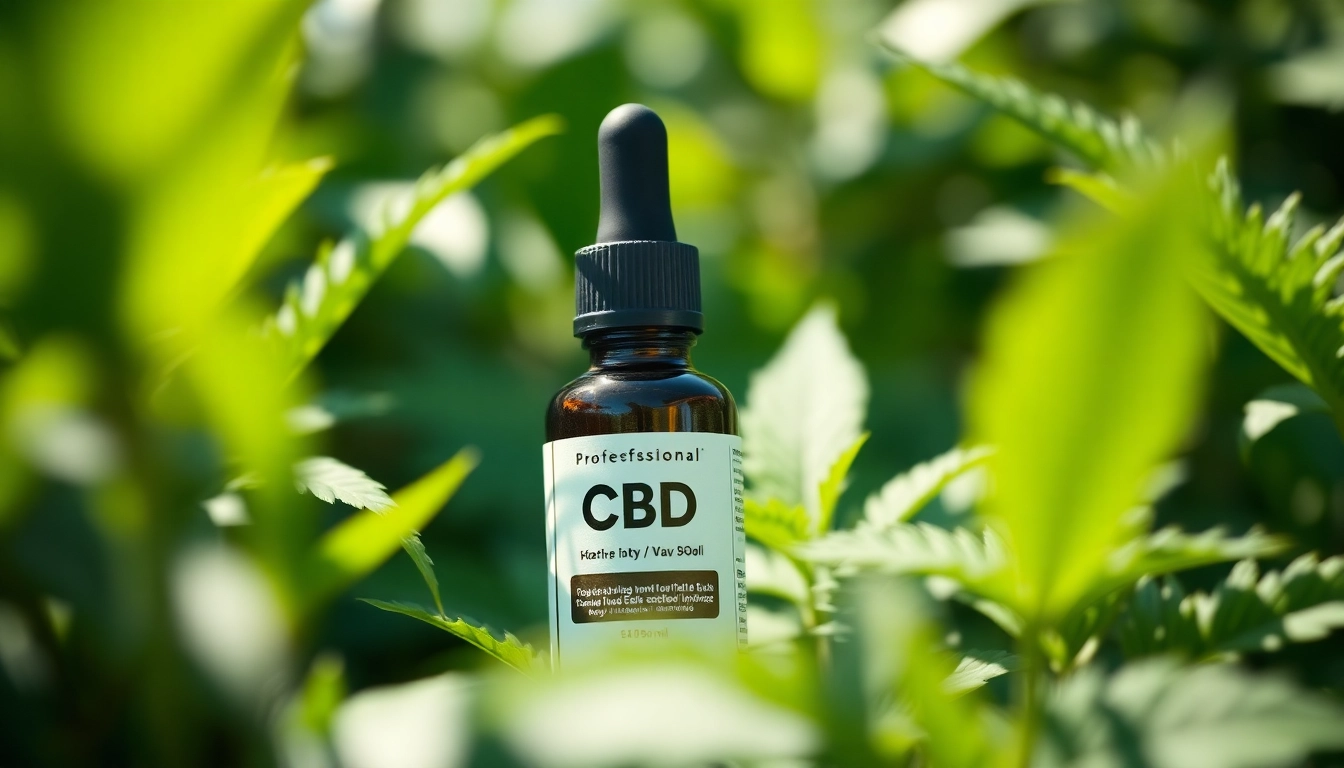
What is CBD?
Cannabidiol, commonly known as CBD, has gained substantial traction over the past few years, emerging as a popular wellness supplement heralded for its numerous potential benefits. Derived from the hemp plant, CBD is often confused with its more famous counterpart, tetrahydrocannabinol (THC), but it possesses distinct properties that set it apart. As a non-psychoactive substance, CBD does not produce the ‘high’ typically associated with cannabis, making it a compelling option for those seeking therapeutic effects without mind-altering consequences. For more detailed insights into this rapidly evolving sector, the CBD landscape continues to expand, revealing novel applications and continually deepening our understanding of this compound.
CBD Defined: Origins and Types
CBD is a phytocannabinoid that belongs to a class of compounds found in the cannabis plant. It accounts for nearly 40% of the plant’s extract. Unlike THC, which binds to cannabinoid receptors in the brain and produces psychoactive effects, CBD interacts with the body’s endocannabinoid system at a different level, influencing various physiological processes without creating euphoria. There are mainly three types of CBD products available in the market today:
- Full-Spectrum CBD: This type contains all cannabinoids, terpenes, and other compounds found in the cannabis plant, including trace amounts of THC (up to 0.3%), promoting the entourage effect that may enhance therapeutic benefits.
- Broad-Spectrum CBD: Similar to full-spectrum, but without THC. It retains various beneficial compounds, providing a balance between effectiveness and safety for consumers who wish to avoid THC.
- CBD Isolate: This is the purest form of CBD, having undergone extensive processing to remove all other cannabinoids and plant materials, resulting in a product that is typically over 99% pure CBD.
Distinguishing CBD from THC
Understanding the differences between CBD and THC is essential for potential users. While both are derived from cannabis, their effects on the body are markedly different. THC is known for its psychoactive properties, which can induce feelings of euphoria, increased appetite, and altered perceptions. Conversely, CBD is primarily associated with therapeutic attributes, offering potential relief for a multitude of conditions without the risk of intoxication. This fundamental difference has propelled CBD into the wellness spotlight, as more individuals seek alternatives that do not carry the stigma or side effects associated with recreational cannabis use.
Forms of CBD: Oils, Edibles, and More
CBD is available in various forms, catering to a wide range of preferences and lifestyle choices. Some of the most common forms include:
- CBD Oils and Tinctures: These are concentrated liquid extracts that can be consumed sublingually (under the tongue), offering fast absorption and easy dosage adjustments.
- CBD Edibles: Available in gummies, chocolates, drinks, and more, these provide a discreet and tasty way to consume CBD, although they may take longer to take effect compared to oils.
- CBD Topicals: Creams and balms infused with CBD are applied directly to the skin for targeted relief from pain or inflammation.
- Capsules and Softgels: These offer a familiar and convenient way to integrate CBD into daily health regimens.
Health Benefits of CBD
How CBD May Relieve Anxiety and Stress
One of the most significant areas of interest surrounding CBD is its potential to alleviate anxiety and stress-related symptoms. Numerous studies suggest that CBD may interact with serotonin receptors in the brain, which play a crucial role in mood regulation. For individuals suffering from anxiety disorders, the calming effect of CBD could provide a natural alternative to traditional pharmaceuticals, which often carry undesirable side effects.
Research indicates that CBD may help reduce anxiety levels in various situations, including social anxiety, generalized anxiety disorder, and post-traumatic stress disorder (PTSD). Its anxiolytic (anxiety-reducing) properties have garnered attention in clinical settings, leading to heightened interest in its efficacy compared to conventional treatments.
CBD for Pain Management: A Review of Studies
The potential of CBD in managing pain has prompted extensive research, illustrating its effects on chronic pain conditions such as arthritis, fibromyalgia, and multiple sclerosis. CBD’s anti-inflammatory properties may be partly responsible for its effectiveness in pain relief, as it helps regulate the body’s inflammatory response.
Clinical studies have shown that patients using CBD report significant reductions in pain levels and improvements in sleep quality. While anecdotal evidence abounds, additional large-scale studies are crucial for solidifying these findings and understanding the optimal dosing and administration methods.
Potential Neuroprotective Properties of CBD
Emerging research suggests that CBD may have neuroprotective properties, making it a focus of interest for conditions associated with neurodegenerative diseases, such as Alzheimer’s and Parkinson’s disease. Preliminary studies indicate that CBD may help promote neurogenesis (the growth of new neurons) and protect brain cells from damage. These insights position CBD as a potential candidate for future therapies aimed at treating various neurological disorders, bringing hope to millions worldwide.
Common Uses of CBD
Incorporating CBD into Your Wellness Routine
As the wellness industry evolves, incorporating CBD into daily routines has become commonplace. From morning smoothies infused with CBD oil to evening relaxation rituals involving CBD teas, users have adopted diverse methods of consumption that align with their lifestyles. Practical tips for incorporating CBD into wellness regimens include:
- Experiment with different forms of CBD to find the best fit: oils, edibles, or topicals may suit varying needs and preferences.
- Start with a low dose and increase gradually while monitoring effects to identify the optimal dosage for your circumstances.
- Consult with a healthcare professional to ensure safety and efficacy, particularly for individuals with pre-existing conditions or those currently taking medications.
Is CBD Safe for Pets?
Pet owners increasingly explore the use of CBD for their furry companions, particularly for conditions like anxiety and joint pain. Initial evidence suggests that CBD may also provide therapeutic benefits for pets, aiding in pain relief and improving overall well-being. However, it is crucial for pet owners to consult with veterinarians before administering CBD, ensuring the proper dosage and formulation to avoid potential side effects.
CBD in Skincare: Benefits and Products
The beauty industry has begun to embrace CBD, incorporating it into skincare lines due to its purported anti-inflammatory and antioxidant properties. CBD-infused skincare products, such as creams, serums, and masks, cater to those seeking natural solutions to common skin concerns, such as acne and eczema. Preliminary studies support the notion that CBD may help improve skin health, though more extended and rigorous scientific exploration is necessary to validate these claims fully.
Safety and Side Effects of CBD
Understanding Possible Side Effects of CBD
While CBD is generally considered safe and well-tolerated, it is not devoid of potential side effects. Some users may experience mild effects such as dry mouth, fatigue, changes in appetite, and diarrhea. It is imperative for individuals to report any adverse reactions to a healthcare professional, further substantiating understanding of the compound and its effects.
Drug Interactions and Precautions
CBD may interact with certain medications, affecting their metabolism and effectiveness. Drugs metabolized in the liver, particularly those with a “grapefruit warning,” may have altered effects when used concomitantly with CBD. Patients should inform their healthcare providers of all supplements and medications being taken to ensure safe use.
Consulting Healthcare Providers about CBD
Consultation with healthcare providers is crucial prior to starting any new supplement regimen, particularly for individuals with pre-existing health concerns or those considering CBD for therapeutic purposes. Healthcare professionals can provide guidance on safe dosages, potential interactions, and monitoring of effects, fostering a collaborative approach to health and wellness.
The Future of CBD Regulation and Research
Current Legal Status of CBD in the U.S.
The legality of CBD in the United States remains a complex landscape, largely dictated by the 2018 Farm Bill, which legalized hemp-derived CBD products containing less than 0.3% THC. However, regulations vary significantly by state, resulting in a patchwork of legal standards. As public interest grows, lawmakers continue to navigate the implications of CBD, which may lead to updated regulations that clarify its status and support responsible usage.
Ongoing Research and Its Implications
Ongoing research is pivotal in understanding CBD’s full therapeutic potential, safety, and efficacy. Organizations and academic institutions are actively studying its effects on various conditions, pushing the boundaries of scientific knowledge regarding this compound. As data accrues, new potential uses for CBD may emerge, fostering innovation in treatment methodologies and enhancing patient outcomes.
Getting Informed: Reliable Sources for CBD Information
With the influx of CBD products and claims, discerning reliable information is vital for consumers. Trusted sources include peer-reviewed journals, health organizations, and conversations with healthcare providers. As with any supplement or medication, continuous education and research are essential to making informed decisions regarding CBD use, ensuring safety and effectiveness in accordance with individual health journeys.