
Revolutionary Benefits of the Injection Molding Machine in 2025
Understanding Injection Molding Machines
Injection molding is a cornerstone of modern manufacturing, allowing for the creation of complex and durable products across various industries, from automotive to consumer electronics. The Injection Molding Machine has revolutionized how these products are produced, combining precision and efficiency in a single process. In this article, we’ll delve deep into the functionalities, advantages, and future trends of injection molding machines, particularly focusing on the electric variants that are setting new benchmarks in production methodologies.
What is an Injection Molding Machine?
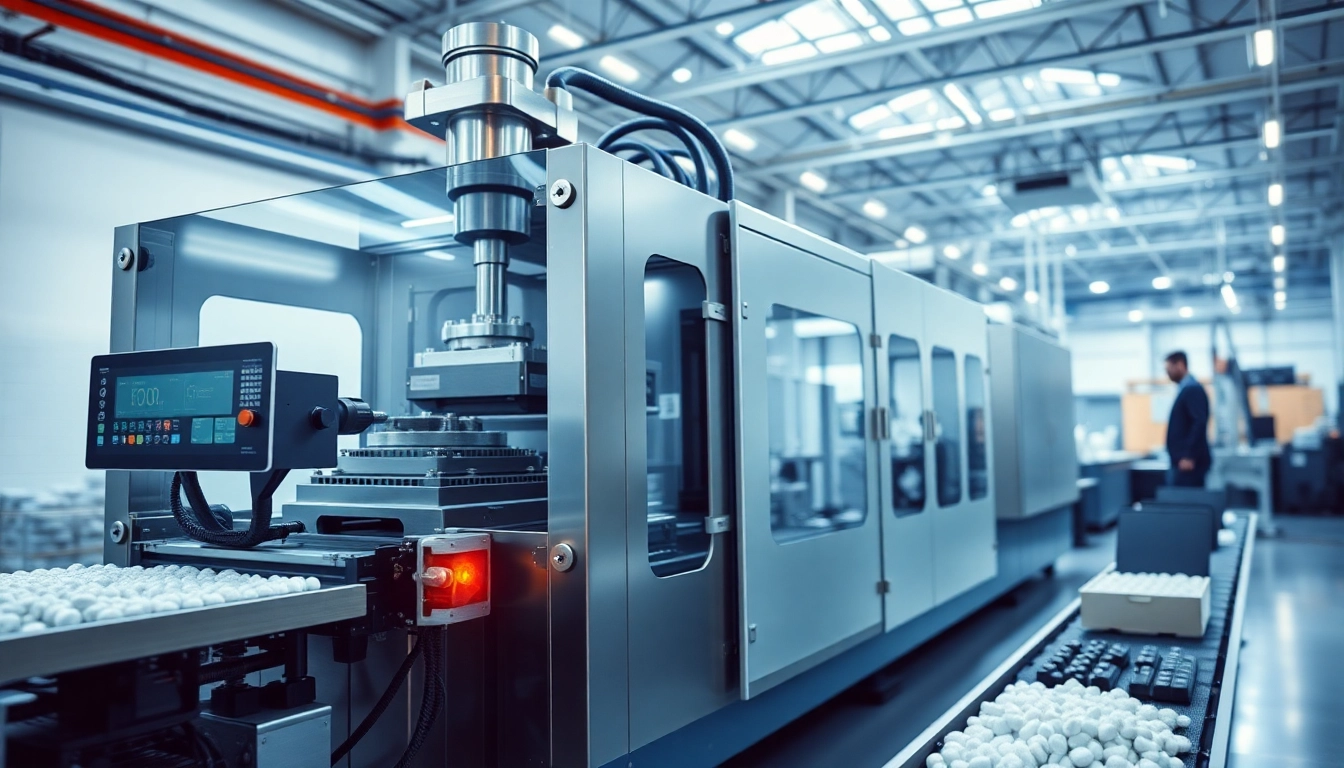
At its core, an injection molding machine is a device used to manufacture plastic products by injecting molten material into a mold. This process allows for the mass production of parts that require high precision and repeatability. The machine consists of several components, including the injection unit, clamping unit, and control system, all working together to produce high-quality items efficiently.
Types of Injection Molding Machines Explained
Injection molding machines can be broadly classified into three categories: hydraulic, electric, and hybrid. Each type has its unique advantages and applications:
- Hydraulic Injection Molding Machines: These machines utilize hydraulic fluids to power the injection and clamping process, providing high force and flexibility.
- Electric Injection Molding Machines: These machines are known for their precision, energy efficiency, and better control over the injection process, making them ideal for applications where quality is paramount.
- Hybrid Injection Molding Machines: Combining elements of both hydraulic and electric machines, hybrids offer versatility, achieving the best of both worlds.
Key Components and Their Functions
The main components of an injection molding machine include:
- Injection Unit: Responsible for melting and injecting plastic into the mold.
- Clamping Unit: Maintains the mold in a closed position during injection and opens it to eject finished products.
- Control System: Manages the overall operation of the machine, ensuring precision and consistency throughout the process.
Advantages of Electric Injection Molding Machines
Electric injection molding machines are gaining popularity for several compelling reasons, significantly impacting manufacturing efficiency and product quality.
Energy Efficiency and Cost Savings
Electric machines use significantly less energy than their hydraulic counterparts. This efficiency translates into lower operating costs over time, making them more attractive for long-term investments. For manufacturers aiming to reduce their carbon footprint, the energy-efficient nature of electric machines is a critical advantage.
Precision and Quality of Products
With electric injection molding machines, manufacturers can achieve exceptional precision in their products. The ability to control the injection speed, pressure, and cooling time allows for the creation of parts that meet stringent tolerances and specifications. This level of control is particularly beneficial in industries such as automotive and electronics, where even minor defects can lead to significant losses.
Environmental Impact and Sustainability
Beyond energy efficiency, electric injection molding machines generate less noise and have fewer emissions compared to hydraulic machines. This contributes to a cleaner working environment and reduces the overall environmental impact of manufacturing operations. They often come equipped with features designed to optimize material usage, further enhancing their sustainability credentials.
Comparative Analysis: Electric vs. Hydraulic Injection Molding
The choice between electric and hydraulic injection molding machines depends on various factors, including production volume, product complexity, and budget constraints. Analyzing these two types reveals critical differences in performance metrics and overall operational costs.
Performance Metrics and Production Capabilities
Electric injection molding machines tend to offer faster cycle times, which can significantly increase production rates. They excel in producing smaller, intricate parts where precision is key. However, hydraulic machines may be better suited for larger, heavy-duty applications requiring high clamping forces.
Long-Term Investment Considerations
While the initial cost of electric injection molding machines may be higher, the long-term savings in energy costs and maintenance can make them more economical. For manufacturers looking to optimize their operational efficiencies, the transition to electric machines represents a strategic investment in the future of production.
Industry Preferences and Trends
There is a clear trend within the manufacturing industry towards electric machines. As technology advances and more manufacturers recognize the benefits of these machines, the adoption rate is expected to continue rising. Industries such as consumer goods and medical devices are leading this movement, often driven by regulatory demands for higher quality and lower environmental impact.
Real-World Applications and Case Studies
Electric injection molding machines have found a wide range of applications in various sectors. Their versatility and precision make them suitable for multiple industries.
Innovations in Automotive Manufacturing
In the automotive sector, electric injection molding machines are utilized to produce components with complex geometries that require high precision. For instance, companies are increasingly using these machines to manufacture intricate interior parts and lightweight, fuel-efficient vehicle components, significantly enhancing performance and sustainability.
Electronics and Consumer Goods Production
The electronics industry relies heavily on injection molding for components such as casings, connectors, and insulators. The ability to produce small, precise parts in high volumes is crucial for maintaining competitive production schedules. Brands are leveraging electric injection molding technology to produce advanced consumer electronics that demand higher precision and reduce weight.
Challenges Faced in Implementation
Despite the advantages, the transition to electric injection molding machines is not without its challenges. Manufacturers must consider initial costs and the need for specialized training for staff. Additionally, the compatibility of existing molds with new, electric machines requires careful consideration to ensure seamless production integration.
Future Trends in Injection Molding Technology
As we look to the future, several exciting trends in injection molding technology are on the horizon. The push for automation and Industry 4.0 is leading to smarter, more connected machines that enhance efficiency and product quality.
Emerging Technologies and Their Impact
Technological advancements, such as artificial intelligence and machine learning, are poised to revolutionize injection molding processes. Predictive maintenance and real-time data analytics will allow manufacturers to optimize operations, reduce downtime, and enhance product quality.
Predictions for the Injection Molding Industry in 2025
By 2025, the injection molding industry is expected to be considerably more automated, with significant advancements in machine learning technologies improving the speed and quality of production. Electric machines will likely dominate the market due to their efficiency and lower environmental impact, catering to the growing demand for sustainable manufacturing solutions.
Preparing for the Future: Skills and Training Needs
As new technologies are integrated, the workforce will require specialized training to manage and maintain advanced injection molding machines. Companies must invest in their employees through ongoing education and skills development, particularly in areas like operations management, quality control, and machine programming.