What is CBD Oil?
The Basics of CBD Oil
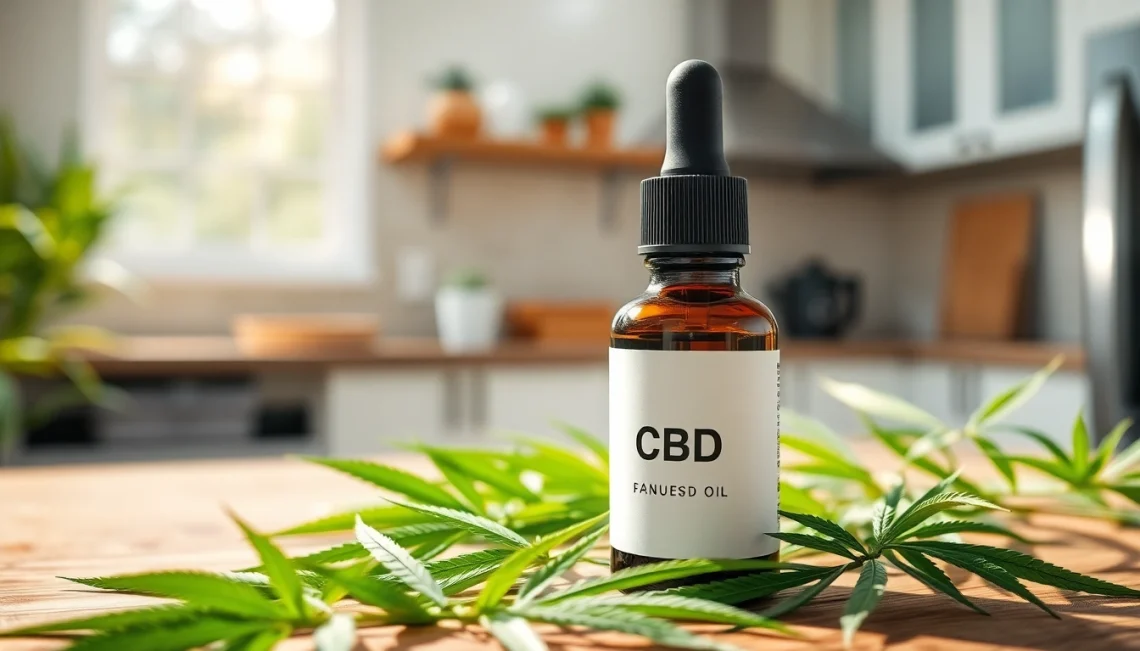
Cannabidiol, commonly referred to as CBD, is a naturally occurring compound found in the Cannabis sativa plant. It is one of over a hundred cannabinoids identified in cannabis, and it is gaining immense popularity due to its potential therapeutic benefits without the psychoactive effects commonly associated with its more famous counterpart, THC (tetrahydrocannabinol). CBD Oil is extracted from hemp, a type of cannabis plant that contains low levels of THC and is cultivated primarily for its fibers and seeds. This oil is typically diluted with a carrier oil, such as coconut or hempseed oil, but it can also be consumed in more concentrated forms.
The rise in awareness surrounding the benefits of CBD Oil has led to a burgeoning market, catalyzed by shifts in legislation that have made hemp-derived products more accessible. Unlike THC, CBD does not produce a “high.” Instead, users report feelings of relaxation and relief from a variety of symptoms, making it a sought-after supplement for both physical and mental health applications.
How CBD Oil is Extracted
Extraction methods for CBD Oil are crucial for determining its quality and potency. There are several techniques employed, each with its pros and cons:
- CO2 Extraction: This method uses pressurized carbon dioxide to extract CBD from the hemp plant. It is considered the safest and most effective because it preserves the potency and purity of the essential compounds. However, the equipment is expensive, making this method less accessible for smaller producers.
- SOLVENT Extraction: Solvents like ethanol or butane can be used to dissolve the cannabinoids, separating them from plant material. This method is quick and cost-effective but can leave behind residual solvents if not properly processed.
- OLIVE OIL Extraction: A more traditional method, this involves heating olive oil with hemp to release cannabinoids. While safe and simple, it’s not suitable for large-scale production, and the resulting oil has a short shelf life.
- STEAM DISTILLATION: This technique heats the plant materials and collects the vapor containing cannabinoids. It effectively extracts oils but may diminish the quality of some compounds.
The choice of extraction can significantly affect the final product’s quality, potency, and flavor profile, thus influencing consumer experience.
Difference Between CBD and THC
CBD and THC are both cannabinoids, but they have distinctly different properties. THC is the primary psychoactive compound in cannabis, responsible for the euphoric high associated with marijuana use. CBD, on the other hand, is non-psychoactive and does not interfere with the user’s mental state. Understanding the differences is crucial for consumers, especially those who wish to reap the benefits of cannabis without experiencing the “high.” Here are some key distinctions:
- Effect on the Mind: THC binds directly to CB1 receptors in the brain, producing a euphoric high. CBD has a more complex relationship with cannabinoid receptors, often acting as a buffer to the psychoactive effects of THC.
- Legal Status: In many places, THC remains illegal or regulated due to its psychoactive nature, whereas CBD, especially when derived from industrial hemp, is often legally accepted, provided it contains less than 0.3% THC.
- Health Benefits: While both cannabinoids are celebrated for their therapeutic potential, CBD is often more associated with anxiety management, anti-inflammatory properties, and seizure reduction, whereas THC is frequently used for pain relief, appetite stimulation, and muscle relaxation.
Health Benefits of CBD Oil
Reducing Anxiety and Stress
One of the most popular uses of CBD Oil is its ability to alleviate anxiety and stress. Research indicates that cannabinoids can positively influence the brain’s serotonin receptors, responsible for mood regulation. Several studies suggest that CBD can help mitigate anxiety disorders, including generalized anxiety disorder, social anxiety disorder, and post-traumatic stress disorder. Users often report that CBD provides a calming effect without sedation, allowing them to function normally while managing their anxiety.
Pain Relief and Inflammation Reduction
CBD Oil has been documented for its potential to relieve chronic pain and reduce inflammation, making it a promising option for individuals suffering from conditions like arthritis, fibromyalgia, and multiple sclerosis. The compound interacts with the body’s endocannabinoid system, which plays a role in regulating pain and immune responses. By modulating inflammation at a cellular level, CBD can alleviate symptoms, providing a natural alternative to nonsteroidal anti-inflammatory drugs (NSAIDs).
Potential Benefits for Chronic Conditions
Preliminary research indicates that CBD Oil may have a role in treating a variety of chronic conditions beyond anxiety and pain relief. For instance:
- Epilepsy: Certain formulations of CBD have been approved for treating epilepsy syndromes that are resistant to conventional treatments.
- Cardiovascular Health: Studies suggest that CBD may promote heart health by lowering blood pressure and alleviating oxidative stress.
- Diabetes Management: Some animal studies indicate that CBD can help regulate blood sugar levels and reduce diabetic complications.
While more research is needed to fully understand these benefits, the initial findings are encouraging for those dealing with chronic health concerns.
How to Choose Quality CBD Oil
Understanding Labels and Ingredients
Selecting a high-quality CBD Oil requires careful consideration of labels and ingredient lists. It’s vital to be aware of the following when reading product labels:
- Full-Spectrum vs. Isolate: Full-spectrum CBD contains a range of cannabinoids, terpenes, and other compounds, potentially enhancing effects through the entourage effect, while isolates contain pure CBD.
- Source of Hemp: Quality CBD Oil should come from organically grown hemp. This ensures that the plant material is free from pesticides and harmful chemicals.
- Extraction Methods: The extraction method used can impact the oil’s quality. CO2 extraction is the gold standard, but others may also be acceptable if done correctly.
Importance of Third-Party Testing
Third-party testing is critical for ensuring quality and transparency in CBD products. Reputable manufacturers should provide Certificates of Analysis (COA) from independent labs, confirming the product’s cannabinoid profile, potency, and absence of contaminants such as heavy metals and residual solvents. Consumers should actively seek out these COAs before purchasing to ensure they are getting a safe and effective product.
Evaluating CBD Oil Potency and Concentration
Potency refers to the amount of CBD present in a product, typically indicated on the label in milligrams (mg). When choosing a CBD Oil, consider the following:
- Individual Needs: Your specific health goals will dictate the appropriate potency—higher concentrations are often desired for severe conditions.
- Dosage Form: Different forms of consumption (tinctures, capsules, topicals) may have varying bioavailability, or how effectively the body absorbs them.
- Start Low, Go Slow: For those new to CBD, it is recommended to start with a lower potency and gradually increase as needed.
Ways to Use CBD Oil
Common Methods of Consumption
There are several methods for consuming CBD Oil, each with its own onset time and duration of effects:
- Sublingual: Placing a few drops under the tongue is a common method, allowing for rapid absorption into the bloodstream through the mucous membranes.
- Ingestible Forms: CBD can be found in gummies, capsules, or oil-infused foods, which provide an easy way to consume.
- Topical Applications: Creams and balms infused with CBD can be applied directly to the skin for localized relief of conditions such as arthritis or muscle pain.
Dosage Recommendations for Different Uses
Dosing CBD can vary significantly based on individual circumstances, including body weight, metabolism, and desired effects. While there is no one-size-fits-all approach, a common guideline is:
- Begin with a low dose of 5-10 mg, particularly for those who are new to CBD.
- Gradually increase the dose by 5 mg every few days until the desired effect is achieved.
- Consulting with a healthcare provider is advisable, especially for individuals taking other medications or with pre-existing health conditions.
Combining CBD Oil with Other Remedies
Combining CBD Oil with other natural remedies can enhance its effectiveness. For instance, users may find that pairing CBD with turmeric, known for its anti-inflammatory properties, maximizes pain relief benefits. Additionally, integrating lifestyle practices such as yoga or meditation can work synergistically with CBD to further alleviate stress and anxiety.
Current Research and Future Directions on CBD Oil
Recent Scientific Findings on CBD
The research surrounding CBD Oil is rapidly evolving, with ongoing studies revealing new insights into its effectiveness and applications. Scientists are exploring various health conditions, uncovering new therapeutic benefits, and understanding its biological interactions better. Some recent findings suggest potential use in:
- Neuroprotection during neurodegenerative diseases.
- Therapeutic applications in managing symptoms of autism spectrum disorders.
- Combating drug addiction by reducing cravings and withdrawal symptoms.
Ongoing Studies and Clinical Trials
Numerous clinical trials are underway, examining the effects of CBD Oil on various conditions, including mental health disorders and chronic pain management. The outcomes of these studies will play a significant role in shaping regulations and public acceptance of CBD products in the healthcare community.
Future Trends in CBD Oil Usage
As consumer interest in CBD continues to grow, several trends are likely to influence the market:
- More Innovative Products: As research progresses, we can expect to see a wider variety of CBD-infused products, including beverages, beauty items, and pet products.
- Focus on Personalization: Tailored CBD formulations that consider individual health needs and genetic factors may become increasingly prevalent.
- Increased Regulation: As the industry matures, more stringent testing and labeling requirements may emerge, ensuring consumer safety and product efficacy.
Caring for your holistic health should include comprehensive knowledge and careful selection of supplements like CBD Oil. Understanding the extraction processes, evaluating product quality, and staying informed about ongoing research will empower consumers to make educated decisions tailored to their health needs.