
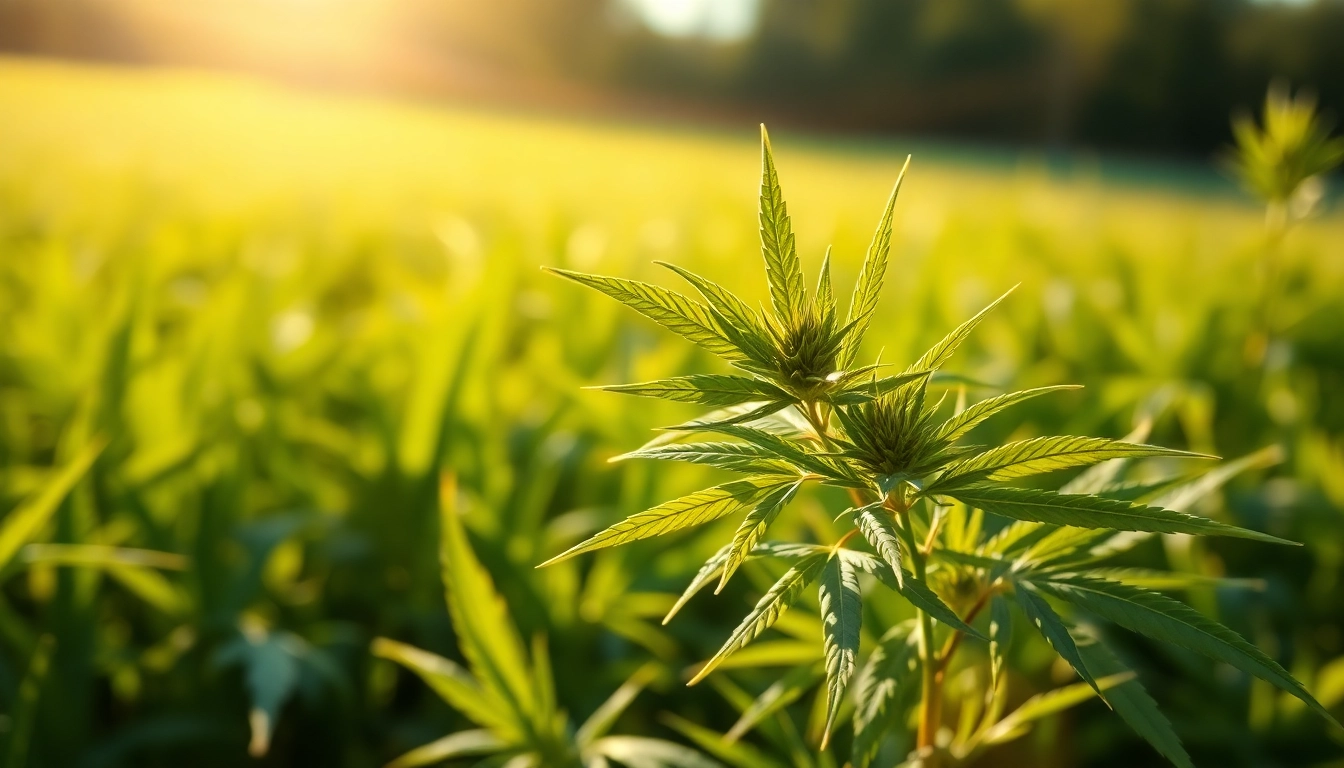
Understanding Organic Hemp
What is Organic Hemp?
Organic hemp refers to hemp that is cultivated without the use of synthetic pesticides, herbicides, or genetically modified organisms (GMOs). This sustainable method of farming allows for the preservation of soil health and promotes biodiversity. Hemp, scientifically known as Cannabis sativa, is a versatile plant that has been utilized for its durable fibers, nutritious seeds, and oil for centuries. As consumers gravitate towards organic and natural products, the demand for organic hemp has surged, highlighting its ecological benefits as well as healthful properties.
History and Cultivation of Organic Hemp
The history of hemp cultivation stretches back thousands of years, with the first recorded use dating back to 8000 B.C. in Asia. Hemp was employed for making textiles, ropes, and paper, establishing its significance in early civilization. As agricultural practices evolved, the 20th century witnessed a decline in hemp farming, primarily due to misconceptions associating it with marijuana. However, the modern resurgence of hemp cultivation has led to a renewed focus on organic farming methods that prioritize environmental sustainability and the well-being of farmers.
Organic hemp agriculture necessitates complying with strict guidelines mandated by certifying bodies. Farmers must engage in crop rotation, utilize organic composts instead of synthetic fertilizers, and foster natural pest control methods. These practices not only enhance crop yield but also contribute to the wellness of local ecosystems by minimizing environmental impact.
The Importance of Organic Certification
Organic certification serves as a validator for consumers who are increasingly vigilant about where their food originates and how it is produced. This certification ensures that the product meets specific organic standards set by regulatory authorities. It is integral in building trust between producers and consumers, thus allowing for transparency in the food supply chain.
For hemp producers, acquiring organic certification can be a significant competitive advantage. Products that bear the organic label often command a higher market price and can attract a health-conscious consumer base. Furthermore, organic farming ways encourage the complete utilization of the plant, from seeds and oils to fibers, which can all be cultivated sustainably and economically.
Nutritional Value of Organic Hemp
Key Nutrients in Organic Hemp
Organic hemp seeds are often touted as a superfood due to their impressive nutritional profile. They are approximately 33% protein, making them an excellent source of plant-based protein, especially for those following a vegetarian or vegan diet. In addition, hemp seeds are rich in vital fatty acids, predominantly Omega-3 and Omega-6, in an ideal ratio of 3:1, which supports cardiovascular health and brain function.
Furthermore, organic hemp seeds contain significant amounts of magnesium, vitamin E, and other essential vitamins and minerals such as potassium, phosphorus, and iron, contributing to a balanced and healthful diet.
How Organic Hemp Supports Body Function
The comprehensive blend of nutrients in organic hemp supports various bodily functions. The high protein content contributes to muscle growth and repair, making it a favored choice among athletes and fitness enthusiasts. Regular consumption of hemp seeds can enhance heart health due to their rich content of good fats and fiber, which aid in reducing cholesterol levels.
Moreover, the presence of gamma-linolenic acid (GLA) in hemp supports hormonal health, reducing symptoms associated with premenstrual syndrome (PMS) and menopause. The minerals found in hemp seeds like magnesium play a crucial role in nervous system function and help reduce fatigue, proving beneficial in managing stress and sleep quality.
Comparative Analysis with Other Seeds
Compared to other well-known seeds like chia and flaxseed, organic hemp seeds stand out due to their protein content and unique fatty acid profile. For instance, while flaxseed is renowned for its high Omega-3 content, it lacks certain amino acids present in hemp that are essential for muscle health.
Chia seeds, while also high in fiber, do not provide as much protein as hemp. This makes organic hemp seeds a more balanced option for those seeking to enhance their overall nutritional profile. Furthermore, unlike chia and flaxseeds, hemp seeds don’t require grinding to access their nutritional benefits, making them easier to incorporate into various meals and snacks.
Health Benefits of Organic Hemp
Organic Hemp's Role in Heart Health
The consumption of organic hemp is linked to improved cardiovascular health due to its optimal balance of fatty acids. Omega-3 fatty acids found in hemp have been shown to lower blood pressure, reduce cholesterol levels, and enhance circulation, all significant factors in preventing heart disease. Additionally, the presence of arginine, an amino acid in hemp, assists in producing nitric oxide which helps maintain the flexibility of blood vessels, reducing strain on the heart.
Boosting Immunity with Organic Hemp
Organic hemp contains powerful antioxidants such as vitamin E and phenolic compounds that contribute to a robust immune system. These antioxidants protect cells from oxidative stress and reduce inflammation in the body, thus promoting overall wellness. Studies suggest that regular consumption of hemp products can enhance immune function, especially in individuals with compromised immunity.
Managing Stress and Anxiety with Organic Hemp
The presence of GLA in organic hemp is particularly beneficial in managing stress and anxiety. GLA is known for its anti-inflammatory properties, which contribute to the reduction of stress-related symptoms. Moreover, the protein and healthy fats in hemp are essential for the production of neurotransmitters such as serotonin, which regulate mood and contribute to feelings of well-being. This makes organic hemp an excellent addition to the diets of individuals seeking natural methods for anxiety management.
Culinary Uses of Organic Hemp
Incorporating Organic Hemp into Your Diet
Incorporating organic hemp into your daily diet can be easy and delicious. The seeds can be sprinkled on salads, blended into smoothies, or used to enhance baked goods. Moreover, hemp oil, extracted from seeds, can serve as a nutritious dressing or cooking oil that adds a rich, nutty flavor to various dishes.
Another popular use for organic hemp is in the creation of non-dairy milk. By blending soaked hemp seeds with water and straining the mixture, you can create a creamy, nutritious beverage that serves as an alternative to cow's milk.
Delicious Recipes Using Organic Hemp
Here are a few simple but delicious recipes that incorporate organic hemp:
- Hemp Seed Energy Bites: Combine organic hemp seeds, oats, nut butter, honey, and dark chocolate chips. Form into balls and refrigerate for a quick energy snack.
- Hemp Smoothie Bowl: Blend organic hemp seeds with bananas, spinach, and almond milk. Top with fresh fruits, nuts, and additional hemp seeds for added crunch.
- Hemp Pesto: Replace traditional pine nuts with organic hemp seeds in your pesto recipe for a nutrient-packed twist on a classic sauce.
Preparing Smoothies and Snacks with Organic Hemp
Preparing smoothies with organic hemp is not only straightforward but also allows for a variety of flavors. For a protein-packed breakfast or post-workout snack, blend a banana with spinach, almond milk, and a tablespoon of organic hemp seeds. Alternatively, adding hemp seeds to granola bars or yogurt can enhance the nutrient density of snacks, ensuring you maintain energy levels throughout the day.
Future Trends in Organic Hemp Products
Market Growth and Opportunities for Organic Hemp
The organic hemp market is poised for significant growth as consumer awareness surrounding health and sustainability continues to rise. As more individuals embrace organic lifestyles, the demand for organic hemp products, such as seeds, oil, and textiles, is expected to appreciate. This growth opens up numerous opportunities for farmers to pivot towards organic practices, creating a more sustainable agricultural landscape.
Innovations in Organic Hemp Use
Innovations in the applications of organic hemp are emerging, expanding its utilization beyond traditional food products. For instance, the construction industry is increasingly exploring hemp-based materials for building and insulation, owing to their eco-friendliness. Additionally, hemp is making its mark in the beauty and personal care industry, with numerous brands integrating hemp oil into skincare formulations to leverage its hydrating and anti-inflammatory properties.
How to Choose Quality Organic Hemp Products
When selecting organic hemp products, it is critical to check for certifications that guarantee the product's organic integrity. Look for labels indicating third-party testing to ensure purity and quality. Additionally, consider the source of the hemp — products sourced from reputable growers practicing sustainable farming methods are typically of higher quality.
Lastly, read reviews and seek out products that undergo transparent quality control processes. By being discerning in your choices, you can ensure you are getting the most nutritious and beneficial organic hemp products available.