
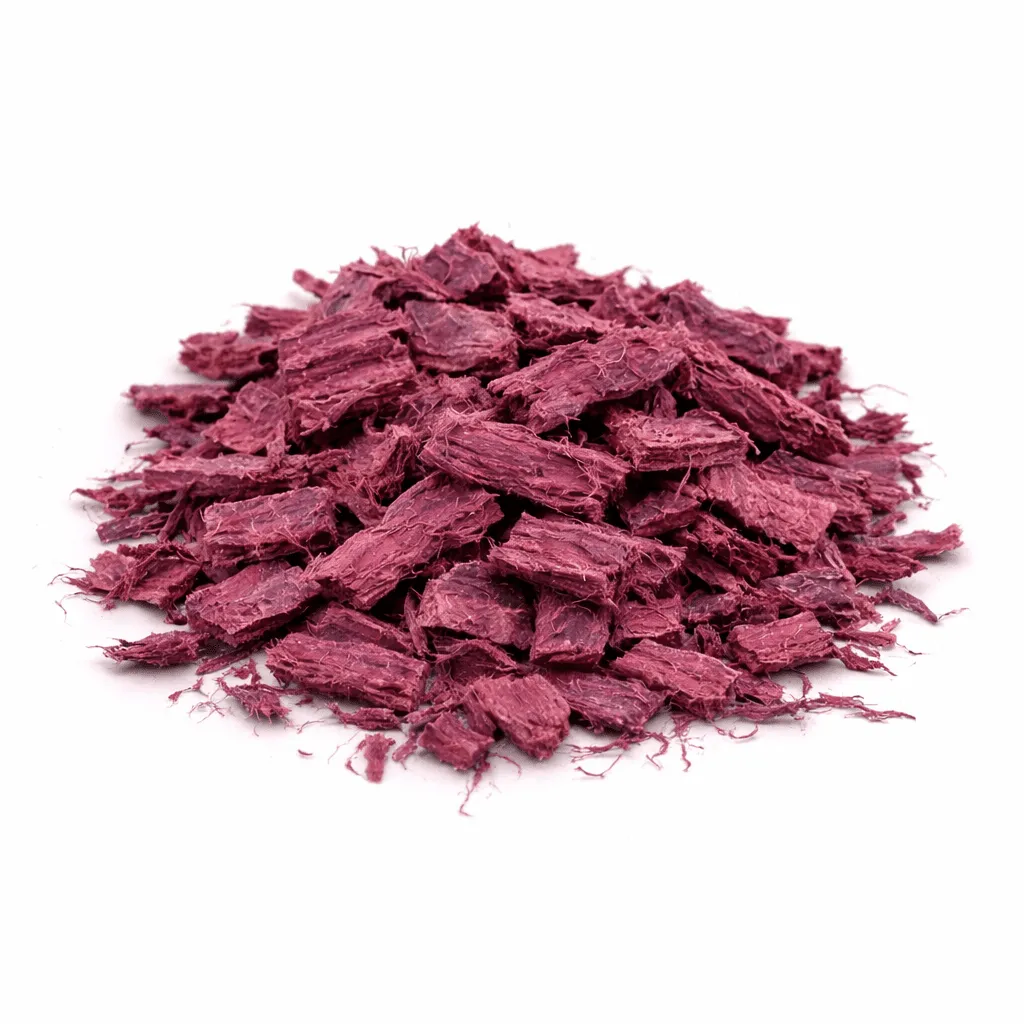
Mimosa Hostilis Root Bark has attracted attention among botanical enthusiasts, natural-material researchers, and traditional plant-product users because of its distinctive origin and long history of cultural interest. Sourced from Mexico, carefully selected root bark can offer a consistent botanical material for legitimate research, educational purposes, natural dye exploration, and other permitted applications. Quality begins with responsible sourcing, proper identification, careful handling, and transparent information about the plant.
When purchasing any botanical product, understanding its origin is essential. Mexican-sourced Mimosa Hostilis Root Bark is valued by some buyers for its natural characteristics and connection to regional plant traditions. However, buyers should always verify the applicable laws in their location before purchasing, possessing, transporting, or using botanical materials.
Understanding the Botanical Origin
Mimosa hostilis, commonly associated with the name jurema, is a tree native to parts of Central and South America. The plant belongs to the Fabaceae family and has been recognized for its traditional and botanical significance. Its root bark is one of the plant materials that has received considerable attention in ethnobotanical literature.
The geographical origin of a botanical product can influence how buyers perceive its quality and authenticity. Mexican-sourced Mimosa Hostilis Root Bark may appeal to customers looking for material with a clearly identified regional background. Responsible suppliers should provide accurate descriptions rather than making unsupported claims about potency, chemical composition, or effects.
Why Sourcing Matters
Quality botanical products depend heavily on sourcing practices. A reputable supplier should be able to explain where the plant material originates and how it is processed before packaging. Proper identification helps reduce the risk of receiving an incorrectly labeled species, while clean handling helps maintain the condition of the bark during storage and transportation.
For customers interested in Mimosa Hostilis Root Bark for lawful botanical research or educational projects, transparency is particularly important. Product descriptions should distinguish between factual botanical information and claims that cannot be independently verified. Clear labeling, appropriate packaging, and responsible storage recommendations can also contribute to a better purchasing experience.
Characteristics of Carefully Selected Root Bark
High-quality root bark should be recognizable as a natural plant material rather than an unidentified powder or improperly processed substance. Depending on preparation, the material may be supplied in different physical forms, such as larger pieces, shredded bark, or ground material. Each form may have different practical considerations for legitimate botanical applications.
Color, texture, dryness, and cleanliness can provide general indications of how the material has been handled. However, appearance alone cannot establish purity or chemical composition. Buyers who require analytical certainty should look for suppliers that provide appropriate documentation or laboratory information where legally and commercially available.
Responsible Botanical Purchasing
Purchasing plant materials responsibly means considering more than appearance and price. Customers should look for accurate botanical identification, transparent sourcing information, suitable packaging, and clear communication from the seller. It is also important to understand whether the product is legally permitted in the destination jurisdiction.
Mimosa Hostilis Root Bark can be subject to different legal interpretations depending on the country, state, province, or municipality. Some jurisdictions regulate particular plant materials or naturally occurring compounds associated with them. Consequently, buyers should research current local regulations and avoid assuming that legality in one location automatically applies elsewhere.
Traditional and Ethnobotanical Interest
The plant commonly known as jurema has a notable place in ethnobotanical discussions, particularly in relation to traditional practices in parts of South America. Historical and cultural references demonstrate why researchers continue to examine the plant from botanical and anthropological perspectives.
This cultural background makes Mimosa Hostilis Root Bark an interesting subject for legitimate educational research. Studying the history of plant use can provide insight into relationships between people, regional ecosystems, traditional knowledge, and natural resources. Such research should be approached respectfully and should avoid presenting traditional practices as guarantees of particular effects or outcomes.
Storage and Product Care
Like many dried botanical materials, root bark should be protected from excessive moisture, heat, and contamination. Appropriate storage helps preserve the physical condition of the material and reduces the possibility of deterioration. Packaging should be secure enough to protect the contents during shipping and storage.
Customers should follow the supplier's storage instructions and keep botanical materials away from children, pets, and individuals who may accidentally handle or ingest them. Products intended for research or educational purposes should remain clearly labeled and separated from ordinary household materials.
Choosing a Reliable Supplier
A trustworthy botanical supplier should prioritize accurate information over exaggerated marketing claims. Customers can evaluate suppliers by examining product descriptions, sourcing statements, packaging information, customer-service transparency, and available documentation.
For Mimosa Hostilis Root Bark, responsible sellers should avoid presenting the product as a medical treatment or making unsupported promises about physical or psychological effects. They should also communicate relevant legal and safety considerations where appropriate.
Price is another factor, but the cheapest product is not necessarily the best choice. A slightly higher price may reflect better sourcing, packaging, quality control, documentation, or customer support. Buyers should consider the overall reliability of the supplier rather than focusing exclusively on cost.
Legal and Safety Considerations
Botanical products require responsible handling, particularly when they contain naturally occurring compounds that may be regulated in certain jurisdictions. Regulations can change, and laws may differ significantly between countries and regions. Anyone considering purchasing Mimosa Hostilis Root Bark should independently confirm current requirements before ordering.
This material should not be represented as a medicine, dietary supplement, or treatment unless it has been legally authorized for that purpose. It should also not be processed or prepared for activities that are prohibited by local law. When in doubt, consulting an appropriate legal or regulatory authority is preferable to relying on assumptions.
A Transparent Approach to Botanical Products
The growing interest in natural materials has increased demand for botanical products with clear origins and reliable descriptions. Mexican-sourced root bark can be appealing to collectors, researchers, educators, and other lawful users who value traceable botanical materials.
Ultimately, quality is about more than a product label. Authentic sourcing, responsible processing, appropriate packaging, accurate information, and compliance with applicable regulations all contribute to a responsible purchasing experience. Customers should choose suppliers that demonstrate these qualities rather than relying solely on promotional claims.
FAQs
What is Mimosa Hostilis Root Bark?
Mimosa Hostilis Root Bark is the dried bark material obtained from the roots of Mimosa hostilis, a plant associated with regions of Central and South America. It is discussed in botanical and ethnobotanical contexts and may have different legal considerations depending on location.
Where does Mexican-sourced root bark come from?
Mexican-sourced material refers to root bark identified as originating from Mexico. Buyers should seek clear sourcing information from suppliers and verify that the botanical identification and geographic claims are adequately supported.
How should dried botanical root bark be stored?
It should generally be kept in a dry, cool, secure environment and protected from moisture, contamination, excessive heat, children, and pets. Always follow the storage guidance supplied with the specific product.
Is Mimosa Hostilis Root Bark legal everywhere?
No. Laws concerning this plant and compounds naturally associated with it vary between jurisdictions and can change over time. Buyers should check current laws in both the location of purchase and the destination before ordering or transporting it.
Can root bark be used for research?
Botanical materials can be suitable for lawful educational or scientific research depending on the purpose and applicable regulations. Researchers should follow institutional requirements, laboratory safety procedures, and all relevant laws governing the material and any associated compounds.
What should I look for when buying botanical root bark?
Look for accurate botanical identification, transparent sourcing, suitable packaging, clear product information, responsible supplier practices, and compliance with local regulations. Avoid suppliers making exaggerated medical or chemical claims that cannot be substantiated.