
CBD: An Introduction to Cannabidiol
What is CBD?
Cannabidiol, commonly known as CBD, is a natural compound derived from the Cannabis sativa plant. Unlike its more famous counterpart, tetrahydrocannabinol (THC), CBD is non-psychoactive, meaning it does not induce a "high." This quality has made it increasingly popular among those seeking relief from various ailments without the psychoactive effects associated with cannabis. Research into CBD's properties has expanded significantly over the past few years, leading to an understanding of its potential therapeutic applications.
How is CBD Derived?
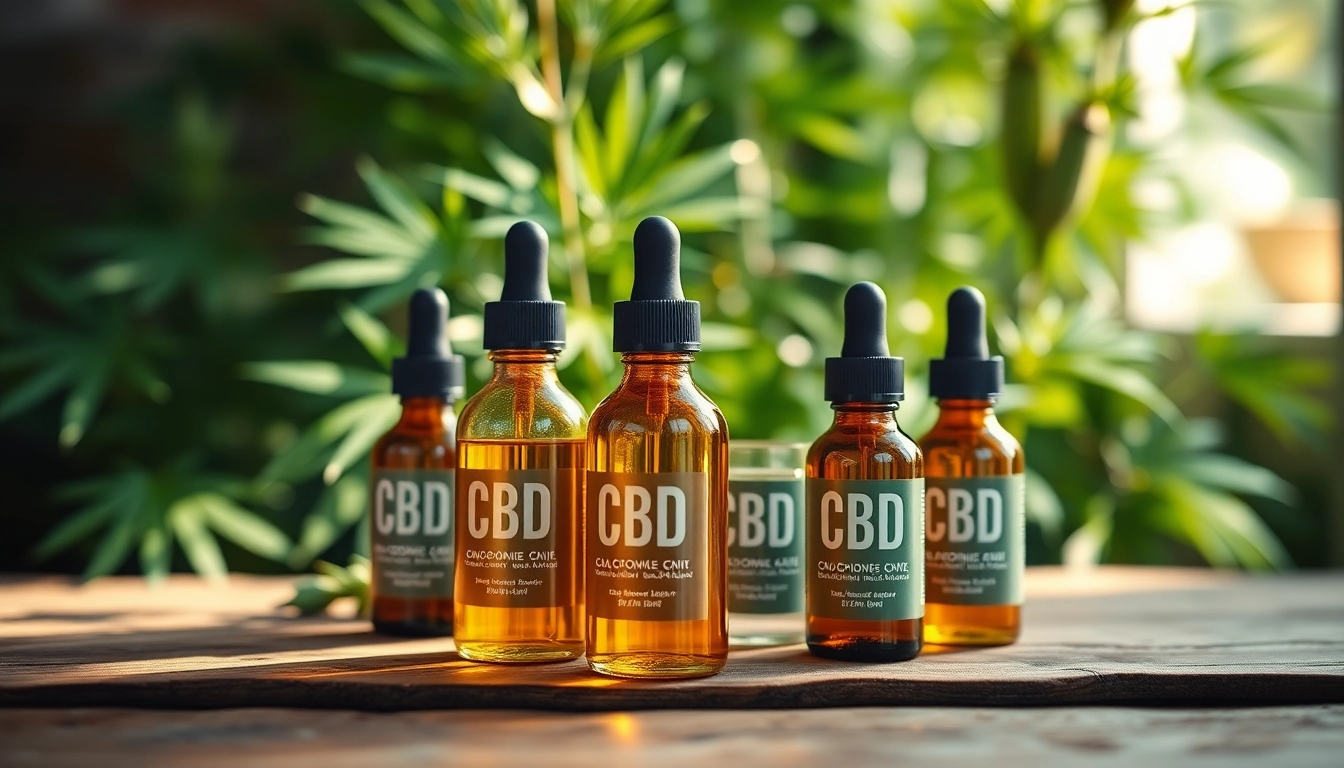
CBD is primarily extracted from industrial hemp, a variety of Cannabis sativa that is characterized by its low THC content (usually below 0.3%). The extraction process typically involves using methods such as CO2 extraction, oil extraction, or alcohol extraction, each influencing the purity and quality of the final product. After extraction, CBD is often further processed into various forms such as oils, tinctures, capsules, edibles, and topicals, allowing consumers to select their preferred method of consumption.
CBD vs. THC: Understanding the Differences
To understand CBD’s potential, it’s crucial to distinguish it from THC. While both are cannabinoids found in cannabis, their effects and legal statuses vary significantly. THC is the primary psychoactive component of cannabis and is associated with feelings of euphoria or intoxication. In contrast, CBD does not produce these effects and has garnered interest for its therapeutic benefits, including its potential to alleviate anxiety, inflammation, and pain. Furthermore, while THC is restricted in many regions due to its psychoactive effects, CBD is often more widely accepted for legal use, particularly in products derived from hemp.
The Health Benefits of CBD
CBD for Anxiety and Stress Relief
Anxiety disorders affect millions of individuals worldwide, often leading to debilitating symptoms that impair daily functioning. Early research suggests that CBD may interact with brain receptors involved in regulating mood and anxiety, such as the serotonin receptor 5-HT1A. Clinical studies have indicated that CBD could significantly reduce anxiety in both human subjects and animal models. For instance, a review of studies demonstrated that CBD could assist individuals in managing their anxiety levels related to public speaking or social situations, making it an essential consideration for those seeking natural alternatives to traditional anxiolytics.
Pain Management through CBD
Chronic pain conditions, including arthritis, multiple sclerosis, and neuropathic pain, can be difficult to manage. CBD’s anti-inflammatory properties may provide an alternative or adjunct treatment for these conditions. By interacting with the body’s endocannabinoid system, it may help modulate pain perception and inflammation. Several studies have highlighted how CBD may reduce pain and improve the quality of life for patients suffering from chronic ailments. For example, CBD oil has been shown to decrease joint swelling in animal models of arthritis, indicating its potential application in inflammatory pain management.
CBD and Neurological Conditions
Neurological disorders such as epilepsy have emerged as a focal point in CBD research. Epidiolex, a CBD-based medication, has received approval from health authorities for treating certain types of epilepsy. Clinical trials revealed that CBD dramatically reduced seizure frequency in patients with Dravet and Lennox-Gastaut syndrome. Besides epilepsy, preliminary research has also suggested potential benefits of CBD in neurodegenerative diseases like Alzheimer's and Parkinson's, where its neuroprotective properties might help mitigate some of the symptoms associated with cognitive decline.
How to Use CBD Effectively
Choosing the Right CBD Form
With various forms of CBD available on the market—ranging from oils and capsules to edibles and topical creams—choosing the right product can be overwhelming. The form you choose may depend on your specific needs and lifestyle. For rapid relief, CBD oils or tinctures may be preferred due to their quick absorption into the bloodstream. On the other hand, for localized effects, topical applications may provide targeted relief for pain or inflammation. Edibles, while often the most enjoyable method, typically take longer to take effect but can provide extended relief.
Dosage Guidelines for CBD Consumption
Determining the appropriate dosage of CBD can be a complex endeavor, as it varies based on individual factors such as body weight, metabolic rate, and the condition being treated. Although there are general guidelines, it’s advisable to start with a low dose and gradually increase it based on the desired effects. Consultation with a healthcare provider knowledgeable in cannabinoid therapeutics can also help establish a suitable dosage regimen. Common starting doses range from 5 to 10 mg per day, with adjustments made according to individual response.
Methods of CBD Administration
The method of administration significantly affects the onset and duration of CBD's effects. Options include:
- Inhalation: Vaping or smoking CBD offers rapid effects as it quickly enters the bloodstream through the lungs.
- Sublingual: CBD oil or tinctures administered under the tongue allow for quick absorption and are often considered user-friendly.
- Ingestion: CBD capsules and edibles are easy to use but may take longer to feel effects due to the digestive process.
- Topical: Creams and lotions are ideal for localized relief of pain or skin conditions.
Potential Side Effects and Risks of CBD
Understanding Side Effects
While CBD is generally well-tolerated, it is not devoid of side effects. Commonly reported side effects include fatigue, dry mouth, dizziness, and changes in appetite. These effects are typically mild but can be exacerbated by higher doses. It is crucial for new users to be aware of these potential reactions and monitor their bodies’ responses as they adjust to CBD consumption.
Who Should Avoid CBD?
There are specific populations that might be advised to avoid CBD or use it with caution. Pregnant or breastfeeding women should consult healthcare providers before using CBD due to insufficient safety research. Additionally, individuals with liver conditions or those taking certain medications, particularly those that interact with the cytochrome P450 enzyme system, should exercise caution, as CBD can affect how these drugs are metabolized.
Interactions Between CBD and Other Medications
CBD can interact with various medications, leading to alterations in their effectiveness. For example, it may enhance the effects of blood thinners or sedatives. Patients should disclose all medications and supplements they are taking to their healthcare provider to avoid potential interactions. Regular monitoring of medication levels may be necessary if CBD is introduced into a treatment regimen that includes other pharmaceuticals.
Future Trends in CBD Research and Regulation
Current Research Developments
The landscape of CBD research is rapidly evolving. Ongoing studies are exploring various therapeutic effects, including potential anti-cancer properties, effects on cardiovascular health, and its role in sleep disorders. The emergence of advanced delivery systems, such as transdermal patches and nanoparticles, may enhance bioavailability and effectiveness, offering exciting possibilities for future products.
The Regulatory Landscape for CBD Products
The regulation of CBD products remains inconsistent globally, impacting consumer access and safety. While some regions have embraced legalization and regulatory frameworks that ensure product quality and safety, others maintain strict restrictions. Understanding the local laws regarding CBD is crucial for consumers and businesses alike, and ongoing advocacy for clearer regulations continues to shape the market.
Consumer Trends in CBD Usage
The popularity of CBD has surged, reflected in an expanding market that encompasses a wide range of products catering to diverse consumer needs. Trends show increasing interest in niche products like CBD-infused beverages, foods, and beauty products. Additionally, consumers are becoming more educated about CBD, leading to a demand for transparency in product sourcing, formulation, and testing. Brands that prioritize quality, sustainability, and consumer education are likely to thrive in this competitive landscape.