
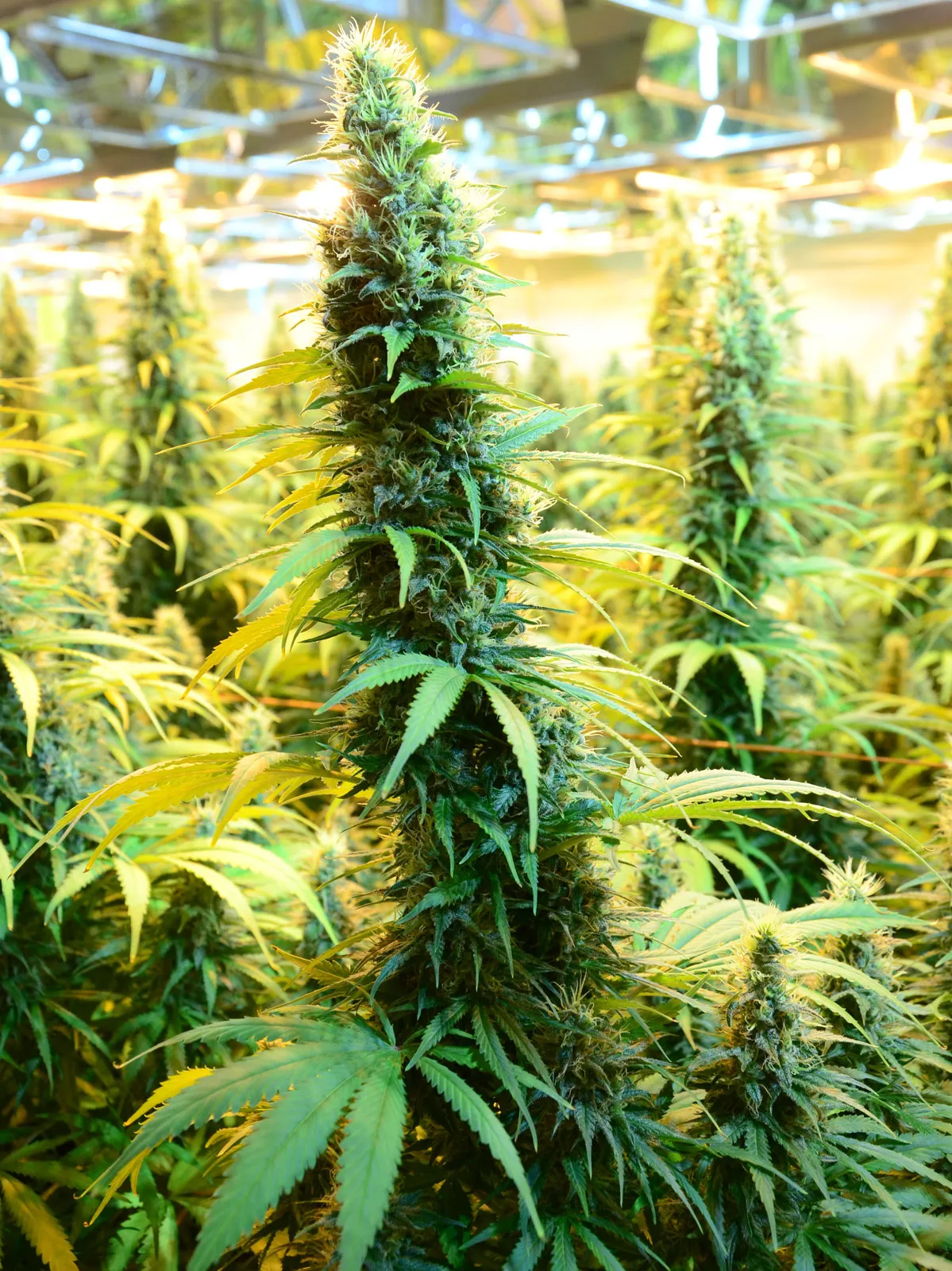
Weed has become one of the most widely discussed topics in healthcare, public policy, and modern society. As more countries and regions update their cannabis regulations, understanding buy weed online europe has never been more important. Whether people are interested in the legal status of weed, its medical applications, or recreational use where permitted by law, reliable information is essential. Weed is derived from the cannabis plant and contains naturally occurring compounds that interact with the human body in different ways. This comprehensive guide explores the legal, medical, and recreational aspects of cannabis while highlighting the importance of responsible use and compliance with local laws.
What Is Weed?
Weed is a common name for cannabis, a flowering plant that has been cultivated for centuries. The plant contains over one hundred naturally occurring cannabinoids, with THC (tetrahydrocannabinol) and CBD (cannabidiol) being the most recognized.
THC is responsible for the psychoactive effects commonly associated with cannabis, while CBD is non-intoxicating and has become popular for its potential therapeutic properties. Different cannabis strains contain varying levels of these compounds, resulting in different effects and uses.
Types of Cannabis
Cannabis is generally classified into several categories:
- Medical cannabis
- Recreational cannabis
- Hemp
- CBD-rich cannabis
- THC-dominant cannabis
Each category may be subject to different legal regulations depending on local laws.
The Legal Status of Weed Around the World
The legal status of weed differs significantly across countries and jurisdictions. While some governments have legalized cannabis for medical or recreational use, others continue to prohibit its possession, cultivation, or distribution.
Recreational Legalization
Several countries and states have legalized recreational cannabis for adults under regulated systems. These regulations often include:
- Minimum age requirements
- Possession limits
- Licensed retail dispensaries
- Product testing standards
- Restrictions on advertising
- Rules for home cultivation
Even where cannabis is legal, regulations regarding public consumption and transportation may still apply.
Medical Cannabis Programs
Medical cannabis allows patients with qualifying conditions to access cannabis products through healthcare providers.
Medical programs often require:
- Physician recommendation
- Medical diagnosis
- Government registration
- Purchases through licensed dispensaries
- Ongoing medical supervision
Each country establishes its own eligibility requirements and approved medical conditions.
Countries Where Cannabis Remains Illegal
Many nations continue to prohibit cannabis entirely. In these jurisdictions, penalties may include:
- Criminal charges
- Fines
- Imprisonment
- Confiscation of cannabis products
Understanding local legislation is important before traveling or possessing cannabis.
Medical Uses of Weed
Medical research has expanded rapidly over the past decade, leading to greater interest in cannabis-based treatments.
Although research continues, healthcare professionals may recommend medical cannabis in certain jurisdictions for specific health conditions.
Chronic Pain
Cannabis may be considered as part of pain management strategies for some patients suffering from chronic pain conditions when other treatments have not been effective.
Epilepsy
Certain CBD-based medications have received approval in several countries for treating rare forms of epilepsy.
Multiple Sclerosis
Some cannabis-based medicines may help reduce muscle stiffness and spasticity associated with multiple sclerosis.
Chemotherapy Symptoms
Medical cannabis may help reduce nausea, vomiting, and appetite loss associated with chemotherapy treatment.
Sleep Disorders
Some patients report improved sleep quality under medical supervision using approved cannabis products.
Patients should always consult qualified healthcare professionals before using cannabis for medical purposes.
Recreational Uses of Weed
In jurisdictions where permitted by law, adults may choose to use cannabis recreationally.
Recreational use commonly involves products such as:
- Dried cannabis flower
- Edibles
- Oils
- Vape products
- Concentrates
- Beverages
Governments that legalize recreational cannabis typically regulate production, distribution, labeling, and consumer safety.
Responsible recreational use includes following dosage recommendations, avoiding impaired driving, and complying with all applicable laws.
How Weed Is Regulated
Modern cannabis markets operate under strict regulatory systems designed to protect public health.
Product Testing
Licensed cannabis products are often tested for:
- THC concentration
- CBD levels
- Heavy metals
- Pesticides
- Mold
- Harmful bacteria
- Residual solvents
Testing helps ensure product consistency and consumer safety.
Packaging Standards
Legal cannabis products commonly require:
- Child-resistant containers
- Health warnings
- Ingredient labels
- Batch identification
- Manufacturing information
- Expiration dates
These measures improve transparency and reduce accidental exposure.
Responsible Weed Use
Education plays a key role in reducing risks associated with cannabis.
Responsible use includes:
Know Your Local Laws
Cannabis regulations vary by location, making it important to understand current legal requirements.
Avoid Driving While Impaired
Driving after consuming cannabis can impair reaction time and judgment and may violate local traffic laws.
Store Cannabis Securely
Cannabis products should be stored safely away from children and pets.
Understand Dosage
Different cannabis products vary significantly in potency. Consumers should understand product labeling and follow guidance where applicable.
Seek Professional Medical Advice
Individuals considering cannabis for medical purposes should consult licensed healthcare professionals.
Benefits and Risks
Like many regulated substances, cannabis may present both potential benefits and risks depending on individual circumstances.
Potential Benefits
- Relief of certain medical symptoms
- Improved appetite for some patients
- Reduced chemotherapy-related nausea
- Muscle spasticity management
- Expanded medical treatment options
Potential Risks
- Impaired coordination
- Short-term memory impairment
- Anxiety in some individuals
- Dependence in certain users
- Legal consequences where prohibited
Balanced education helps individuals make informed decisions.
Future of Weed Regulations
Cannabis laws continue evolving around the world. Governments increasingly evaluate scientific research, economic impacts, and public health data when considering regulatory reforms.
Future developments may include:
- Expanded medical cannabis access
- Additional clinical research
- Improved product quality standards
- Enhanced consumer education
- Stronger regulatory oversight
- International policy discussions
As cannabis research advances, regulations may continue adapting to new evidence.
Conclusion
Understanding weed requires knowledge of its legal status, medical applications, recreational use, and evolving regulations. Cannabis policies differ widely across the world, making it important to stay informed about local laws before possessing or using cannabis products. Medical cannabis continues to be researched for various health conditions, while recreational markets remain carefully regulated in jurisdictions where permitted. Responsible use, education, and compliance with applicable laws remain essential for anyone seeking to understand cannabis and its role in modern society.
FAQs
1. What is weed?
Weed is a common term for cannabis, a plant that contains cannabinoids such as THC and CBD, which interact with the body's endocannabinoid system.
2. Is weed legal everywhere?
No. Cannabis laws vary significantly between countries, states, and regions. Some permit medical or recreational use, while others prohibit it.
3. What medical conditions may qualify for medical cannabis?
Depending on local regulations, qualifying conditions may include chronic pain, epilepsy, multiple sclerosis, chemotherapy-related nausea, and certain other medical conditions.
4. What is the difference between medical and recreational cannabis?
Medical cannabis is used under healthcare supervision for qualifying conditions, while recreational cannabis is used by adults where permitted under local laws.
5. Why is cannabis regulation important?
Regulation helps ensure product safety, accurate labeling, laboratory testing, responsible distribution, and consumer protection while supporting compliance with applicable laws.