
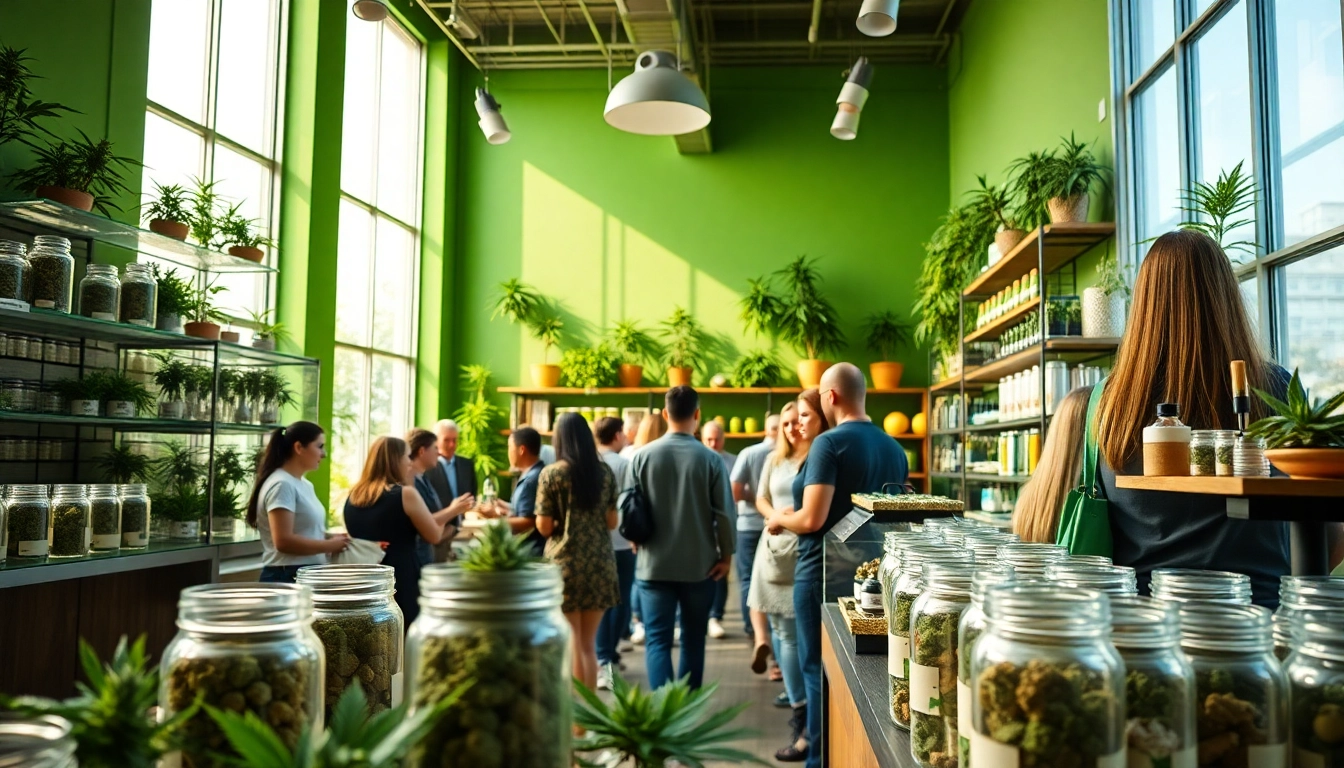
Understanding the Weed Store Landscape
The cannabis industry has grown exponentially over the past few years, leading to the establishment of various types of Weed Store operations across the country. Understanding this landscape is essential for consumers looking to navigate their options effectively. From retail dispensaries to online shops, each type presents a unique set of advantages and challenges.
Types of Weed Stores Available
Weed stores come in several forms, each catering to different customer needs and preferences. The most prominent types include:
- Medical Dispensaries: These are designed to provide cannabis for therapeutic purposes. Customers must typically present a valid medical marijuana card to purchase products.
- Recreational Dispensaries: Open to adults aged 21 and over, they offer cannabis products for enjoyment rather than medical necessity. These stores often feature a wider selection of edibles, flower strains, and concentrates.
- Online Cannabis Retailers: These platforms allow consumers to browse and order cannabis products from the comfort of their homes. Many of these stores offer home delivery services, making access convenient.
- Pop-up Shops and Events: Temporary dispensaries that operate during festivals or events often provide unique local strains or products that may not be available in permanent stores.
Legal Regulations Affecting Weed Stores
The operation of weed stores is heavily influenced by state and local regulations, which can vary significantly across regions. Key aspects include:
- Licensing: Most states require dispensaries to obtain a license that permits them to sell cannabis. This process can be lengthy and costly, setting a significant barrier for entry.
- Age Restrictions: Legal age for cannabis purchases is generally set at 21, although this can differ depending on specific state legislation pertaining to medical use.
- Product Regulations: States often impose regulations on the types of products available for sale, including limits on THC concentrations and packaging requirements to ensure safety and transparency for consumers.
- Taxation: Cannabis products are typically subject to higher tax rates, contributing to substantial income for state governments but also influencing retail pricing.
Importance of Location for Weed Stores
The location of a weed store can largely determine its success. Key factors to consider include:
- Foot Traffic: Stores situated in high-traffic areas, such as near college campuses or popular shopping districts, tend to attract more customers.
- Accessibility: Proximity to public transportation and ample parking can significantly enhance the convenience for customers.
- Competitor Proximity: Being near other dispensaries may foster competition but can also create a customer hub that benefits all retailers in the area.
- Community Regulations: Understanding local sentiments toward cannabis can help gauge how well a store may perform in a specific area.
What to Look for in a Quality Weed Store
With various options available, knowing what defines a quality weed store is essential for ensuring a positive shopping experience. Here’s what consumers should seek:
Product Selection and Quality Standards
A reputable weed store should offer a diverse selection of cannabis products, including:
- Diverse Strains: Different strains can impact an individual's experience, so a wide variety is crucial.
- Quality Assurance: Stores should clearly provide information on how their products are sourced and tested for purity and potency.
- Organic Options: Increasingly, consumers are looking for organic or sustainably cultivated cannabis options to reduce their exposure to pesticides and chemicals.
- Sourcing Transparency: Customers appreciate knowing where their products come from, and reputable stores should not hesitate to provide this information.
Customer Service and Knowledgeability
Quality customer service is paramount in enhancing the customer experience. Consider the following:
- Staff Training: Knowledgeable staff can make recommendations based on an individual’s needs and experiences, adding immense value to the shopping experience.
- Welcoming Environment: A friendly and inviting atmosphere encourages customers to return, fostering community connections.
- Clear Communication: Staff should communicate product details clearly, helping customers understand what to expect from their purchases.
Amenities and Store Atmosphere
The overall ambiance and amenities offered by a weed store can influence shopping decisions. Important elements include:
- Interior Design: A clean, organized, and aesthetically appealing store enhances the experience for visitors.
- Waiting Areas: Some quality stores offer comfortable seating areas for customers waiting for service, especially during peak times.
- Educational Resources: Informational materials such as brochures or digital displays can help educate customers about cannabis use, enhancing their decision-making process.
Navigating the Experience at a Weed Store
For many, visiting a weed store can be a new and unfamiliar experience. Here are strategies for navigating these visits with confidence:
First-Time Visit Tips
First-time visitors to a weed store should consider these helpful strategies:
- Bring Identification: Always ensure to carry a valid ID verifying age and, if required, medical authorization.
- Research Ahead of Time: Understanding what product types are available beforehand can simplify the selection process.
- Visit During Off-Peak Hours: Times when the store is less crowded allow for a more relaxed shopping experience with more personal attention.
How to Ask Questions and Get Recommendations
Effective communication can greatly enhance the shopping experience:
- Be Specific: Clearly state what you're looking for, whether it’s pain relief, relaxation, or creative uplift.
- Inquire About Effects: Ask staff for recommendations based on desired effects rather than just product names.
- Follow-Up Questions: If something isn’t clear, don’t hesitate to ask for clarification or additional details.
Understanding Product Labels and Information
Taking the time to examine product labels can provide vital details:
- THC and CBD Content: Knowing these concentrations helps consumers select products best suited to their needs.
- Ingredient Lists: Be aware of any additional ingredients or additives, especially for edible products.
- Expiration Dates: Some cannabis products, particularly edible ones, can have limited shelf lives.
Building a Relationship with Your Favorite Weed Store
Developing a rapport with a preferred weed store can yield several advantages:
Regular Customer Benefits and Loyalty Programs
Loyalty programs can enhance customer satisfaction:
- Discounts and Promotions: Regular customers often benefit from member-exclusive sales, which can lead to significant savings.
- Early Access to New Products: Some stores offer loyal customers the first opportunity to purchase new arrivals.
- Custom Recommendations: Building a relationship with staff may lead to more personalized suggestions tailored to individual preferences.
Community Events and Educational Workshops
Participating in community initiatives can further enrich customer experience:
- Workshops: Many stores host educational events that cover various cannabis topics, from cultivation to consumption methods.
- Social Gatherings: Engaging in community events fosters connections with other customers and staff, enhancing the overall sense of belonging.
- Feedback Opportunities: Customers can share feedback and ideas during these events, contributing to store improvement.
Feedback and Communication with Staff
Effective communication keeps customers informed:
- Regular Check-ins: Customers should feel free to share their opinions about products and services to help stores improve.
- Follow-Up on Usage: If someone tries a product, returning to discuss outcomes can guide future purchases and improve product selection.
- Open Communication Channels: Ensuring that stores have many avenues for feedback, whether through social media or direct communication, makes feedback more accessible.
Trends in the Weed Store Market
The cannabis market is continually evolving, driven by consumer preferences and regulatory changes. Noteworthy trends include:
Emerging Cannabis Products and Innovations
Adapting to trends can keep a weed store competitive:
- New Consumption Methods: Innovations in products such as vape pens, edibles, and beverages reflect changing consumer preferences and lifestyles.
- Sustainable Practices: Many consumers now seek out brands that prioritize sustainability, affecting sourcing and operational choices in stores.
- Infused Products: The rise in popularity of infused products—such as CBD oils and edibles—demonstrates a shift toward functional cannabis applications.
The Rise of Online Weed Store Shopping
The online shopping trend has transformed how consumers approach cannabis purchasing:
- Convenience: The ability to browse and purchase cannabis products from home appeals to many customers, especially those in areas with limited physical store options.
- Home Delivery Services: Many weed stores provide home delivery, which has expanded access for customers who may not want to visit physical locations.
- Online Engagement: Strong online presences that include customer reviews and transparent product descriptions can help build trust and foster community.
Future of Weed Stores in the Cannabis Industry
The future landscape for weed stores promises further growth and adaptation:
- Increased Acceptance: As societal views on cannabis continue to shift, more states are likely to legalize its use, potentially expanding the market further.
- Cultural Integration: The integration of cannabis into various aspects of culture—from food to wellness—suggests a future where cannabis is widely accepted and normalized.
- Technology Adoption: Advances in technology, such as blockchain for tracking product origins and developing personalized customer experiences, may redefine industry standards.